Partners
This page is about how we decide when to bring in outside help and what we ask of anyone who works on our properties. We manage the properties, but we don’t do every job ourselves. There are professionals whose work is the only work that will pass. Over the years, we’ve learned which jobs need professional time and equipment, and we’ve learned to ask the right questions before we hand anything over. This page walks through our thinking so you can apply the same logic to your own situation: knowing when to handle it yourself and when to hire someone who knows this work.
When we bring in help, we are not just paying for time—we are paying for judgment. Someone who knows what an inspector looks for, who has done this kind of work a thousand times, and who knows why one approach works and another doesn’t. That knowledge is what makes the difference between a unit that looks clean and a unit that passes.
Sanitation Trust
Questions We Always Ask First
What is your process for a move-out clean?
The answer tells us whether someone thinks room-by-room or just about getting through it fast. We listen for whether they mention what inspectors look for—baseboards, corners, inside appliances, windows. If they only talk about vacuuming and wiping surfaces, we already know they are not the right fit for a unit that has to pass inspection.
How do you know when a room is done?
This question separates people who have managed properties from people who have just cleaned houses. Someone experienced will describe specific things they check: looking at baseboards and crown molding at an angle to catch dust, running a gloved hand over surfaces, checking inside the refrigerator and under the sink, making sure all corners of the carpet are clean. If the answer is vague or rushed, the work probably will be too.
What do you do if you find damage while you are working?
A professional who has done this kind of work before knows to stop and report damage instead of trying to hide it or work around it. They know that covering up damage costs more than the inspection will uncover anyway. This answer tells us whether someone is thinking about our interests or just trying to get paid and move on.
Can you show us examples of units you have cleaned for turnover?
It is reasonable to ask to see before-and-after photos, references from other property managers, or to ask for the names of buildings or complexes where they have done this work. If someone cannot provide any record of past work, that is worth noticing. References matter when you are handing over a unit you rent out.
When to Bring in Help

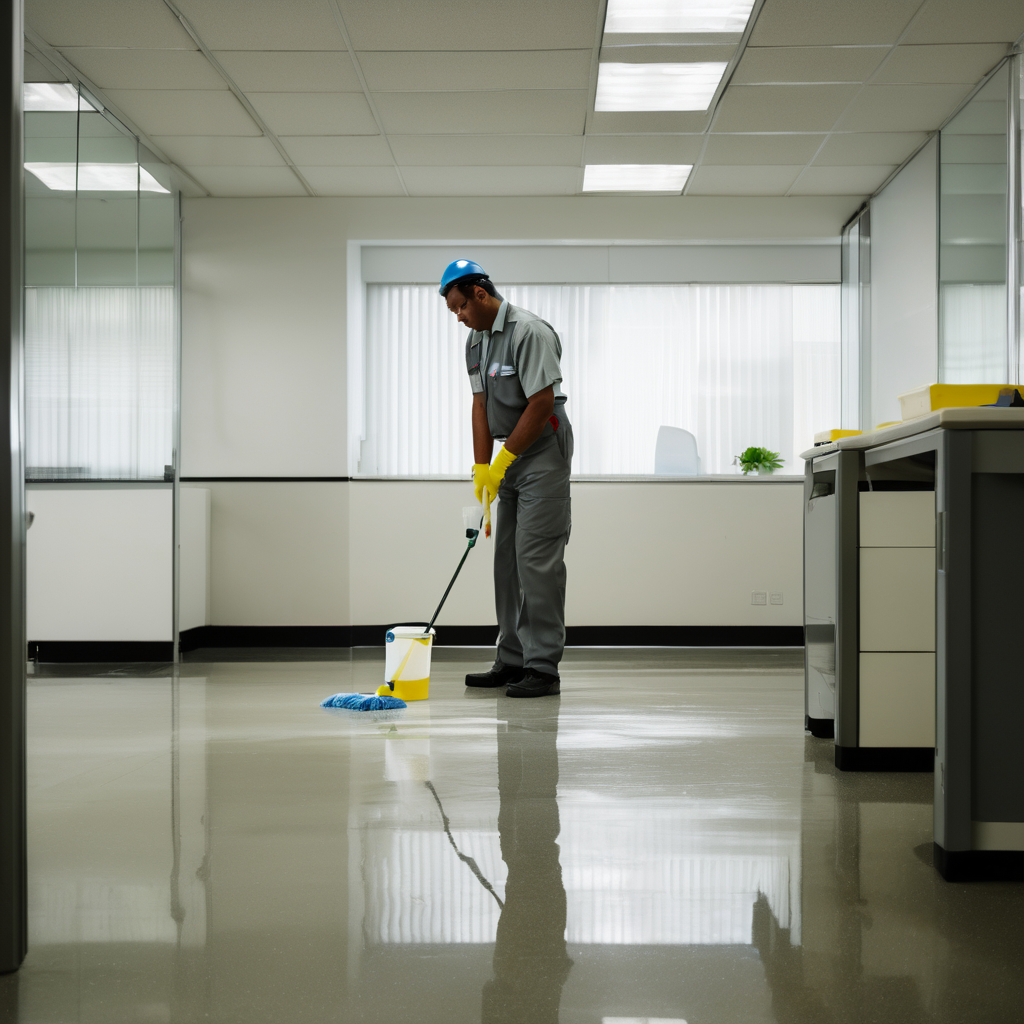
Certain jobs are worth handing off no matter how much time you have. Tile grout needs a scrubbing technique and products most people don’t keep at home. Carpet shampooing requires equipment you may rent but rarely own. Baseboards need attention that is tedious if you have more than a few rooms. Windows that have been shut for three years need a professional approach. These are the jobs where hiring saves you from disappointment at inspection. If you have managed units before, you know which of these jobs have cost you money when they were rushed or done halfway.
By The Numbers
- 3
- The number of inspection sections we always focus on first: bathrooms (where grout and fixtures fail most often), baseboards (where dust and marks show clearly), and the kitchen (because inspectors check inside all appliances and cabinets).
- 2015
- The year we started managing rentals in New Hampshire. Everything on this page about which jobs need professional equipment and technique comes from turnovers since then, not from a survey.
- 2
- The kinds of miss an inspector’s note about corners usually comes down to: work rushed past them, or nobody realising they were part of what gets checked.
What We Actually Look For When We Hire Help
We look for someone who has done this work for other property owners or managers and can prove it. We ask for references. We ask about their process and listen for detail. We ask whether they would catch damage and report it instead of covering it up. We look for someone who understands that they are not just making a space look good—they are preparing it to survive an inspection. That knowledge changes everything. Someone who has seen a unit fail inspection because baseboards were missed knows why those baseboards matter. Someone who has seen a tenant move in and immediately call about the refrigerator not being clean enough knows why that appliance is on the inspector’s list. That experience is what separates someone we would hire from someone we would not.