Get Involved
Whether you’re a property manager overseeing turnover cleaning, a landlord preparing a unit for new tenants, or a small business handling office maintenance, this site covers practical questions about getting a space clean enough to pass inspection. We work with cleaning professionals regularly, and when the job calls for outside help, knowing who to bring in makes all the difference. This page walks through what cleaning at a rental or small office actually involves, and where a professional cleaner fits in.
What a turnover clean covers
A turnover clean is not the same as routine maintenance. It is the work a property manager or landlord oversees when a tenant moves out and before the next one moves in. The goal is to present the unit in condition that passes inspection—a standard that varies by property but centers on what an inspector actually looks for when evaluating a rental or small office.
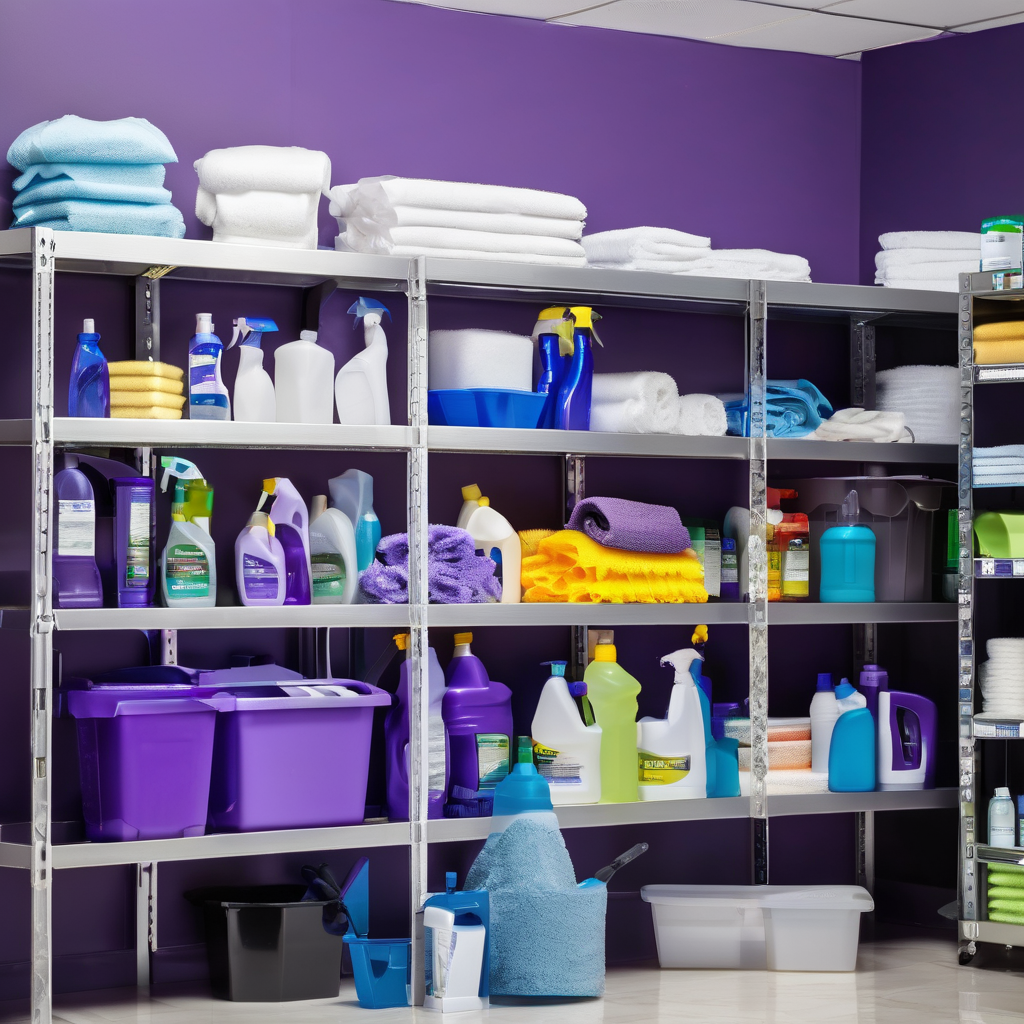
The work breaks into stages. It starts before the tenant fully leaves—photographing condition, making a list of what needs attention. Then comes the heavy phase: deep cleaning of kitchens and bathrooms, floor work, and anything else that requires equipment or expertise. Finally, the finishing pass catches what was missed and prepares the unit for the walk-through inspection.
Deciding what to handle yourself
Before the move-out happens
The first phase is planning and documentation. Walk through with a checklist or the resources page here, photograph what you’re starting with, and decide which rooms need professional attention. Routine vacuuming, dusting and basic kitchen cleaning can be done in-house or by the tenant before they leave; carpet stains, hardwood floor care, grease buildup and appliance interiors usually go to a professional who has the chemicals and equipment these jobs actually require.
Heavy rooms: kitchen and bathrooms
Kitchens need scrubbing that standard cleaning doesn’t reach. Inside the oven, behind the stove, grease on cabinet fronts, mineral deposits on faucets—these take time and the right cleaners to handle safely. Bathrooms need grout sealing and tile work that resists mildew and shows that the unit is fresh. These are the rooms where tenants notice the difference between a quick clean and one done for inspection, and they are where a professional crew earns its time. An inspector checking a unit will look closely at these two rooms above all others.
The finishing pass and walk-through
Once the heavy lifting is done, a final sweep catches what was missed. This is where a walk-through list becomes essential—checking baseboards, door frames, light fixtures, and the things an inspector actually looks at when they enter a space. A professional crew can do this in an hour and know they’ve covered it; doing it yourself means time spent on details that a tenant or business occupant expects to see.
What crews bring to the job
A professional crew typically runs two to three people and works efficiently through a unit, with one person handling the heavy scrubbing while others move through other rooms and catch details. A full turnover of a two-bedroom rental usually takes six to eight hours from start to finish, depending on what the unit came in with and what the inspection standard is.
Questions you’re likely to have
What should I look for in a professional cleaning crew?
Look for a crew that asks questions about the unit before they arrive—condition, problem areas, your inspection standard. They should walk through with you, not just show up and start working. Ask if they have equipment for carpet cleaning and grout sealing, since those are the hardest jobs for an in-house team to handle.
How do I know if a unit is actually clean enough for the next tenant?
Walk through with the same checklist you would give an inspector. Pay special attention to kitchens and bathrooms—appliance interiors, grease on cabinet fronts, tile grout, faucet deposits. Open cabinets and look behind furniture. If you’re seeing dust or residue in these high-visibility spots, it’s not done yet.
Should I hire the same crew every time or shop around?
If a crew does good work and knows your standard, keeping them saves time—they remember your units and what you expect. If early cleanings come back below standard, shopping around is worth it, since turnover is where an experienced crew earns the difference between a unit that passes and one that doesn’t.
What if a cleaning doesn’t meet my standards the first time?
Tell them specifically what to fix—don’t settle for vague promises. A professional crew should be willing to come back and redo problem areas at no extra charge; that’s part of standing by the work. If they won’t, that’s a signal to bring in someone else next time.
How much should turnover cleaning cost?
That depends on the unit size, condition, and your region. Reach out to crews in your area and ask for estimates on the kind of work you need. Get details on what is included—deep cleaning, carpet work, appliance interiors—so you’re comparing actual services, not just a number.