The Record
A move-out or move-in cleaning standard, based on years of property management and unit inspections. This is what we look for when we sign off on a turnover clean, broken down by room and by the steps that usually matter most at the walk-through.
Property inspection is about consistency. When a tenant leaves or a new one arrives, we need to know that a unit is truly ready. Over the years of managing rental properties, we have refined what “clean enough to pass” actually means. The obvious requirements—no visible dust, no tracked mud on the floors—are just the starting point. Beyond that is the detail that separates a unit that feels well-cared-for from one that shows signs of neglect: clean baseboards, dust-free light fixtures, no residue on surfaces a tenant will touch.
A unit is finished when every surface a tenant or inspector will touch—door handles, light switches, baseboards, counters—shows no dust, no fingerprints, and no wear marks from the last occupant.
Sanitation Trust
What the standard looks like in practice

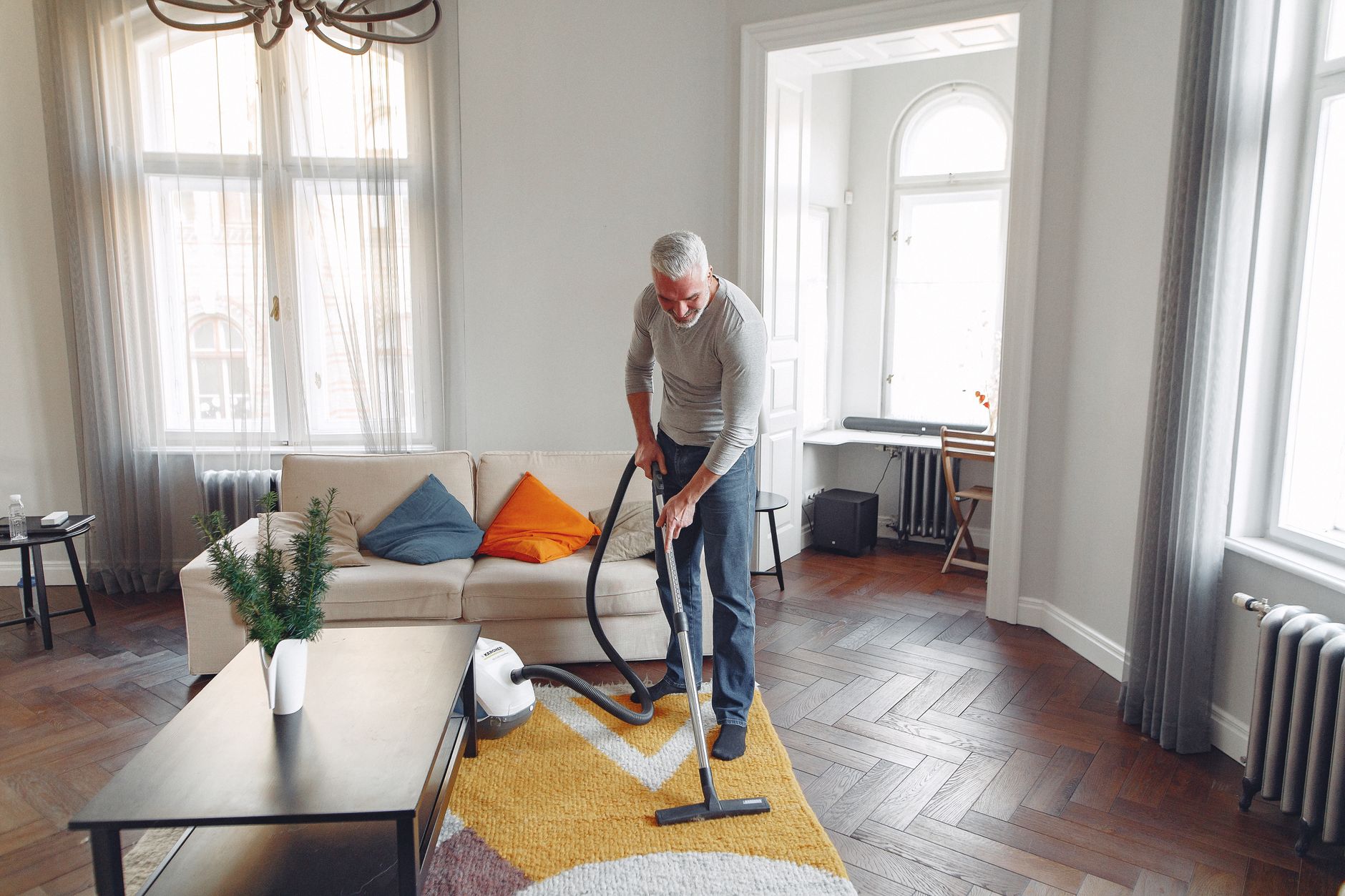
The standard is room by room. A kitchen that passes inspection has no residue on appliances, no buildup on the stovetop, no grease film on the backsplash or cabinet fronts. The floor under the sink is dry. Baseboards are wiped down and free of dust. Bathrooms require the same detail: tile grout is clean, not discolored; the toilet bowl is scrubbed and stain-free; mirrors and fixtures show no water spots. The reasoning behind each step is not cosmetic—it is what a prospective tenant will notice on day one, and what makes the difference between a unit that feels well-cared-for and one that feels like someone is moving away from a problem.
What gets inspected room by room
A careful inspection covers the kitchen and bathroom thoroughly, since these are the rooms a tenant or landlord notices first and will judge the unit by. The checklist does not change—it is what needs attention to bring a unit up to standard.
- Kitchen: appliances and fixtures are clean, stovetop has no buildup, backsplash and cabinet fronts show no grease film, baseboards are dust-free, floor under the sink is dry
- Bathroom: tile grout is clean and not discolored, toilet bowl is scrubbed and stain-free, mirrors and fixtures show no water spots
- Carpets and floor surfaces: vacuumed throughout including corners and under furniture, no marks or stains
- Doors, baseboards, light switches and fixtures: clean, dust-free, no fingerprints or wear marks
What usually requires professional help
Some tasks fall cleanly into the professional category. Deep carpet cleaning is one. A unit that has seen years of traffic needs industrial-grade extraction equipment to restore the carpet fibers. The same applies to hard-surface stripping and waxing, oven cleaning that requires degreasers most people do not have, and pressure-washing the exterior if the unit has a patio or entryway. These are the jobs where a landlord or outgoing tenant will save time and money by bringing in someone with the right equipment.
Then there are the gray areas. Window cleaning inside is usually a tenant job. But windows in an older unit where the frames have collected years of grime often need professional help to look finished. The same goes for light fixture cleaning, ceiling corners where dust accumulates in patterns, and the baseboards behind radiators or heating units. A cleaning crew that knows what an inspector looks for will handle these routinely. A tenant doing a move-out clean often misses them entirely, not from carelessness but from not knowing where to look.
The walk-through checklist
On a move-out inspection, we check every room in order and carry a simple list. Is the carpet vacuumed throughout, including corners and under the furniture lines? Are there any wall marks, water stains, or scuffs that need touch-up? Do the kitchen and bathroom surfaces show any residue or discoloration? Are the baseboards and door frames clean? Are light fixtures and switches dust-free? Items that do not pass get marked for follow-up work or a second cleaning pass.
The standard is the same whether the unit is rented to a family, a single professional, or used as a short-term rental. The only difference is the scope of work. A unit that needs extensive work will require more attention than one in average condition. Knowing what the standard is, from the start, saves everyone time and money.