Resources
Getting a rental or small office clean enough to pass inspection is easier when you have a real checklist to work from. The one below comes from years of property management, and it covers what an inspector actually looks for, stage by stage. Work through it room by room, tick off what you’ve covered, and you’ll know what’s left when you’re done. Each item on the list carries a note on why it matters at inspection, so you can decide whether it is routine work or something that needs a professional crew with equipment you might not have on hand. The checklist is grouped by stage so you can move through the unit systematically without backtracking or missing a room.
A unit is ready when every surface an inspector will touch is clean, every corner has been looked at directly, and you’ve documented it with photographs so you know what you started with and what you finished with.
Before the move-out: planning and photography

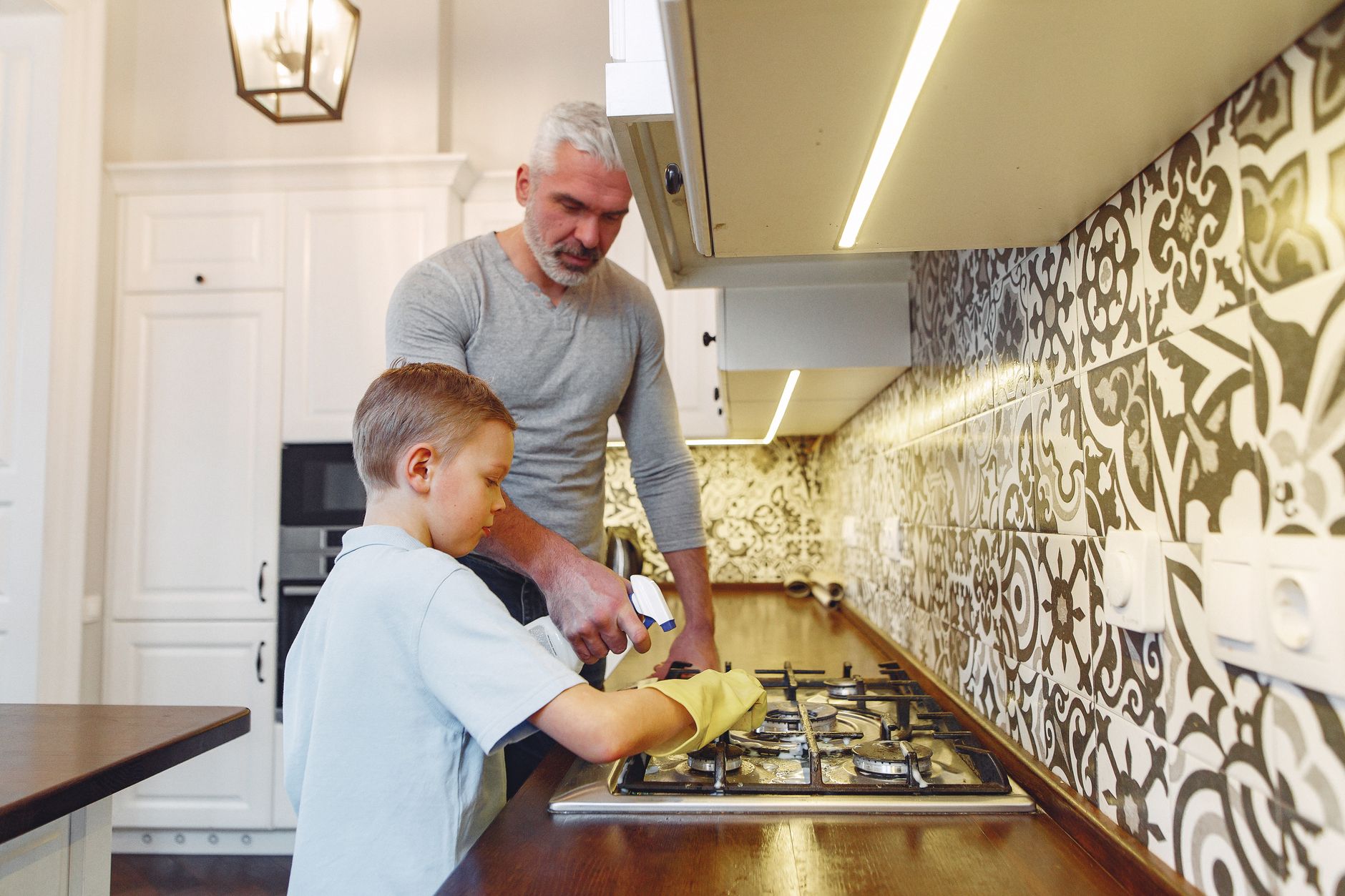
Start here, while the tenant is still leaving or immediately after they have left and before any cleaning begins. These steps happen first because they set what you are working with and tell you what work needs to be hired out to a professional crew. You walk through the unit in its move-out state, photograph every room and corner, and make a detailed list of what needs attention. You note major stains, damage, or odor problems that cleaning alone cannot fix, because some things are repairs and some things need ventilation time or professional equipment. By the time you finish this stage, you have a plan for which work can be done in-house and which work should go to a crew with the tools and products that job requires.
The complete turnover checklist
Use this checklist to move through your unit stage by stage. Work through one stage at a time so nothing is missed and so you can see where you are in the process. Items marked with a small yellow flag usually need a professional crew, but use your judgment based on the condition of your specific unit. If you can do that work safely and it shows well after cleaning, you can handle it yourself. The key is knowing which items will be the first things an inspector looks at and which items, if not done well, will cause a unit to fail inspection.
Stage 1: Planning and Documentation
Do this before any cleaning starts, while the unit is in its move-out state. This stage takes 20–30 minutes but sets up everything that comes after.
-
You need baseline photos so you know what you started with and can show the difference after cleaning. Photographs also protect you if there is a dispute about unit condition later.
-
Some damage needs repair, not cleaning, and some odors (smoke, pet, mold) need treatment that standard cleaning will not fix. Odors often need ventilation time or professional treatment beyond surface cleaning.
-
Deep grease in kitchens, carpet stains, tile sealing, and odor removal usually require professional equipment and chemical products. Crews have pressure washers, rotary buffers, and industrial-strength degreasers that in-house teams do not have.
-
A 1-bed apartment in average condition takes 4–6 hours of work. A 2-bed apartment takes 6–8 hours. Larger units or ones with heavy damage, stains or odor issues take considerably longer, and knowing this ahead of time helps you decide whether to hire out or handle it yourself.
Stage 2: Heavy Rooms—Kitchen
These items are the work that shows most on inspection and usually needs professional attention. A tenant notices the kitchen first and an inspector looks carefully at it. This stage is the work that separates a quick clean from one done for inspection.
-
Tenants see the stovetop first when they walk into the kitchen. Grease buildup is visible and shows neglect, and it takes scrubbing and strong cleaners to remove. Most in-house teams do not have the time or products to get behind a stove properly.
-
An oven that won’t clean is a reason to mark a unit as failed inspection in many leases. Tenants also judge an apartment on whether they can use the oven right away. A professional crew has the cleaners and tools to handle this; if the oven is truly damaged, replacement is faster than hours of scrubbing.
-
A foul-smelling fridge tells a tenant the unit was not cared for. Inspectors always check inside the fridge and open freezer drawers. This is one of the first things a tenant touches when they move in.
-
Grease and dust settle on cabinet tops and are the first thing tenants notice as they walk through the kitchen. Open cabinets, wipe everything, and leave them empty and fresh-smelling.
-
Grimy or sticky hardware signals a unit that was not cared for. Hands touch these constantly and they are noticed immediately. It takes five minutes to wipe or replace each piece and makes a visible difference.
-
A stained or cloudy sink looks dirty no matter how clean it actually is. A working aerator and leak-free faucet are part of move-in condition. An inspector will turn on the faucet and watch for leaks under the sink.
-
Buildup inside a dishwasher is visible and suggests the unit was not maintained. A clean door and handle signal that the appliance is ready to use and the unit is cared for.
-
Counters show every spill and dust mark. This is surface-level work but essential for move-in inspection, as counters are where tenants cook and set groceries when they first arrive.
Stage 3: Heavy Rooms—Bathrooms
These items require the most attention and usually need professional work. Most units need professional bathroom cleaning. Bathrooms are the second room inspectors and tenants examine closely after the kitchen.
-
Moldy grout and stained tile are inspection failures. Sealing takes equipment and knowledge most in-house teams do not have. Professional crews have products that kill mold and preventatives that keep it from coming back quickly.
-
A stained or running toilet is a rental red flag. Check that it fills and flushes without leaking or running continuously. An inspector will use the toilet to check for function.
-
A stained basin is visible immediately and tenants use it first thing. A leak under the sink is a water damage liability that will cause problems for the next tenant very quickly.
-
Mold or mildew means the tenant was not trained on ventilation or the ventilation was poor. Both issues need attention. Mold on tile requires professional treatment, not just bathroom cleaner.
-
A cloudy or broken mirror is a detail a tenant sees immediately. Replace rather than clean if it is damaged, as cleaning will not restore a cloudy mirror or fix a crack.
-
A clogged fan grille means moisture stays in the bathroom and leads to mold problems for the next tenant very quickly. A running fan is part of move-in condition and tells tenants ventilation is working.
Stage 4: Finishing Pass—All Areas
These items catch the details that make the difference between “clean” and “inspection-ready.” You do this after the heavy rooms are finished and before the final walk-through. This stage usually takes 2–3 hours depending on unit size.
-
Visible dust or debris on carpet is a deal-breaker for tenants and inspectors. Use a quality vacuum to get corners, edges, and under where furniture sat. Do this last, after all other work is done.
-
Streaks and residue are visible to inspectors and tenants. Use the right cleaner for the floor type (tile, vinyl, hardwood) and make sure the floors dry completely before the walk-through.
-
Dust collects on baseboards where walls meet floors, and this is the first thing inspectors see as they walk through. Getting this right is what separates a unit that was cleaned from one that is inspection-ready.
-
Grimy switches tell an inspector the unit was not cleaned. Light fixtures show neglect if dusty. These details are often overlooked but are noticed by tenants and inspectors.
-
Hands touch these constantly. Greasy or dusty handles are noticed immediately by tenants when they first move in and by inspectors as they walk through. This is what shows a unit is ready.
-
Empty closets expose mold or pest damage that might otherwise be hidden. A clean closet with good air flow signals a well-maintained unit and gives the tenant confidence in the space.
-
Dusty vents suggest poor air quality and encourage mold. Clean vents mean the air system is ready to work and the unit smells fresh when the tenant first opens the door.
Stage 5: Walk-Through Inspection
Final check before sign-off. Use this as an inspection guide after the finishing pass is complete. This walk-through usually takes 30–45 minutes depending on unit size and identifies any work that was missed or needs touching up.
-
Compare move-out and move-in photos side by side. You now have proof of the condition difference and documentation that the unit met your inspection standards at turnover.
-
A second pass catches what the first cleaning crew missed or what needs touching up. It is much faster to do a touch-up than to do the entire room over, and you know exactly what needs attention.
-
A sticking door or broken lock is not a cleaning issue but is part of move-in readiness. Tenants will notice and mention any door that does not open smoothly when they first move in.
-
If you smell anything unusual after cleaning, there is work left. Mold, pet odor, or smoke require professional treatment beyond standard cleaning. A fresh-smelling unit tells tenants they are moving into a cared-for space.
Industry resources for hiring a professional crew
When you’re hiring a professional cleaning crew, these sources help you understand what standards to look for and what certifications matter in the industry. They give you the language to ask the right questions and the context to evaluate a crew’s qualifications and the work they are offering to do.
ISSA: certification for cleaning companies
ISSA is the cleaning industry’s trade association. This article explains CIMS, its certification for cleaning companies, which is worth knowing about when you compare contractors and want to understand what a certified cleaner has agreed to meet.
Building Service Contractors Association International
The association for contractors who clean and maintain buildings for owners and managers. A useful place to see how the commercial side of the trade describes itself and what standards contractors in your region have committed to.